



New Year’s Eve tables around the world tell stories of luck, wealth, and fresh beginnings—from grapes in Spain and soba in Japan to tamales in Mexico, and a host of delicious rituals meant to welcome the year ahead.
The clock is ticking toward midnight, and with it comes the annual New Year’s Eve ritual: deciding how, exactly, you’ll ring it in. A quiet night at home with something slow-cooked and comforting? A glittering dash to a dance floor where the bass drops right on cue? Or a familiar couch, good friends, and the comforting drama of the countdown playing in the background? However the night unfolds, one thing is non-negotiable—there must be something worth eating, and preferably something worth sipping too.
A chilled bottle of champagne (or its equally festive, alcohol-free cousin) is practically a given. But when it comes to what’s on the plate, the story shifts dramatically depending on where you are in the world. While some of us clutch a bowl of grapes as the seconds slip away, others mark the moment with dishes steeped in symbolism, superstition, and centuries of tradition.
From foods meant to invite prosperity to bites believed to banish bad luck, these New Year’s Eve rituals offer a delicious glimpse into how cultures around the world welcome a fresh start—one meaningful mouthful at a time.
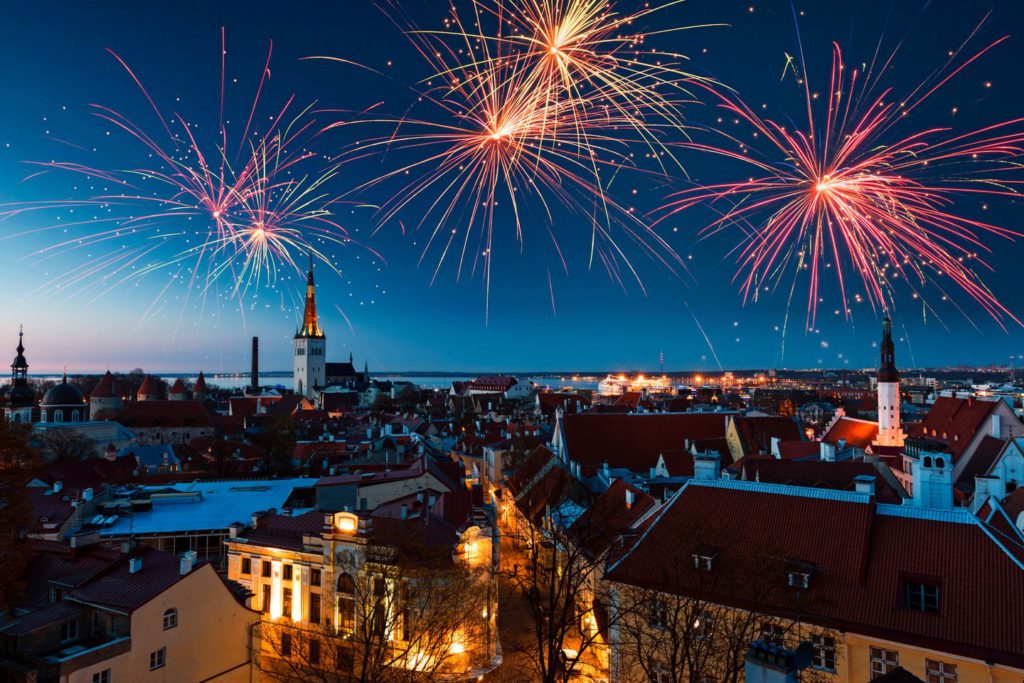
12 Meals, Estonia
In Estonia, New Year’s Eve isn’t about a single grand feast—it’s about pacing yourself. Tradition holds that one should eat seven, nine, or even twelve small meals before midnight, each one symbolically gifting the eater the strength of a man. Make it to twelve, and you’re said to enter the new year fortified with the power of twelve. It’s a ritual that demands both planning and restraint. No plate is meant to be finished; a little food must always be left behind, reserved for the spirits of ancestors believed to visit the home that night. Part superstition, part remembrance, and entirely fascinating—this Baltic tradition turns New Year’s Eve into a quiet marathon of meaning, memory, and measured indulgence.
Tamales, Mexico
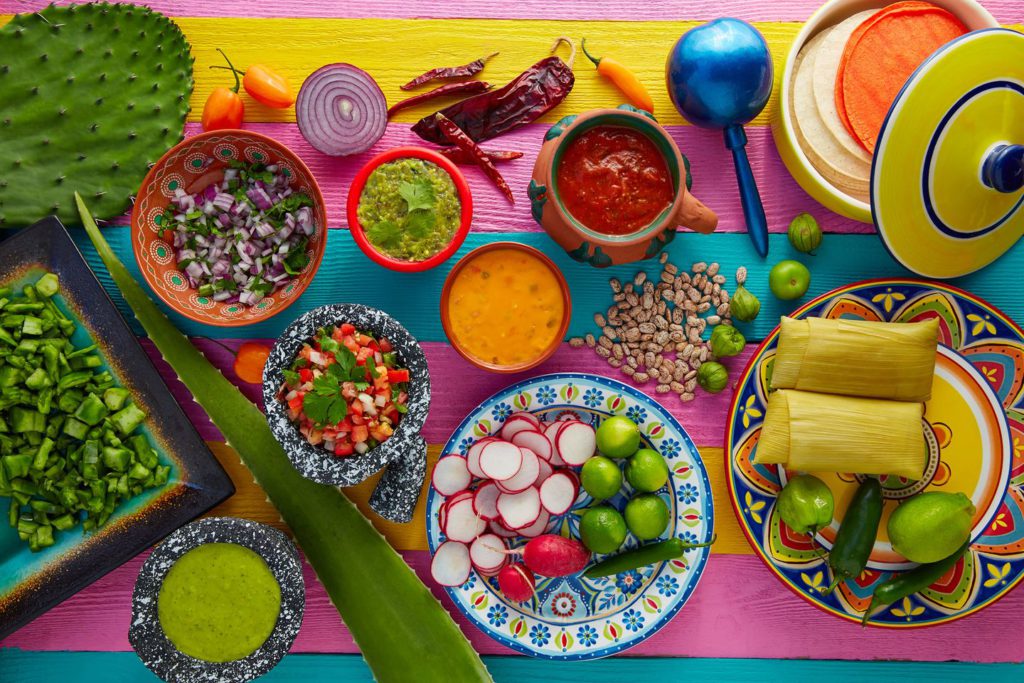
In Mexico, New Year’s Eve unfolds around steam, spice, and shared effort. Tamales—corn masa parcels wrapped and cooked with quiet patience—are the star of the night, and making them is rarely a solo affair. Women from the community often gather in kitchens that hum with conversation, turning the ritual into something as social as it is culinary. Once ready, the tamales are passed around generously—to family, friends, and neighbors—because abundance, here, is meant to be shared. They’re typically paired with menudo, a bold, slow-simmered soup of tripe and hominy, prized for its depth, heat, and restorative reputation. As midnight approaches, the scent of tamales drifts far beyond homes: restaurants and street vendors step into the celebration too, serving them hot and fresh to crowds ringing in the new year. It’s comfort food with cultural weight—familiar, communal, and full of promise for what lies ahead.
Olliebollen, The Netherlands
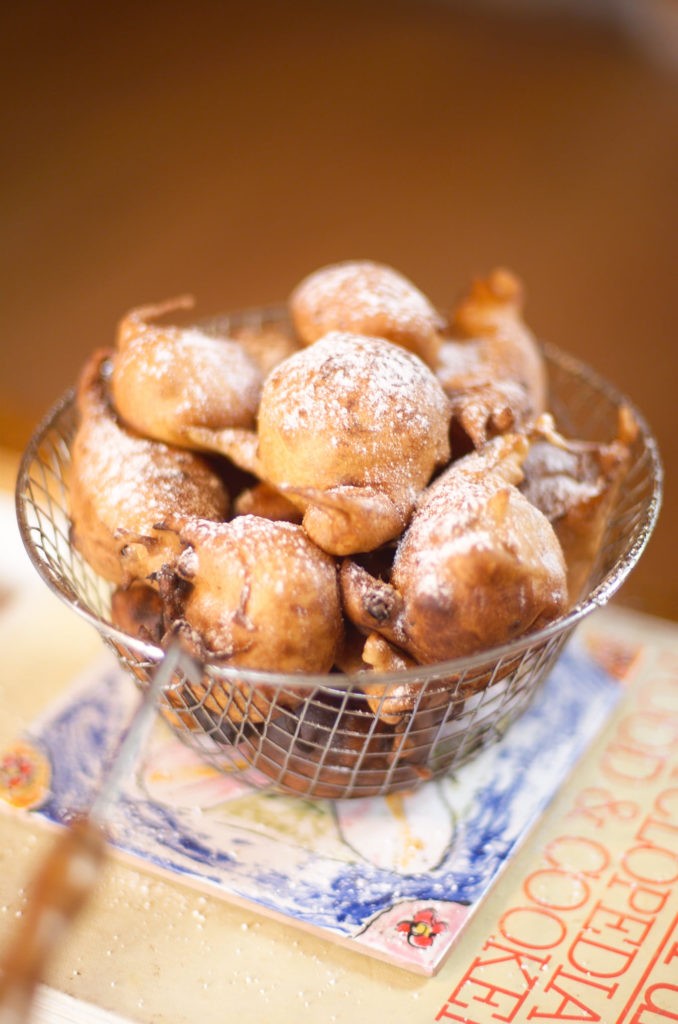
In the Netherlands, New Year’s Eve smells unmistakably of hot oil and powdered sugar. Enter oliebollen—golden, doughnut-like dumplings folded with currants and raisins, fried until crisp on the outside and pillowy within, then finished with a snowfall of icing sugar. They’re indulgent, unapologetic, and exactly what winter nights call for. As the year winds down, these treats become impossible to miss. Street vendors take over corners and squares, turning the final evening of the year into a roaming dessert crawl. In Amsterdam, oliebollenkraams—temporary shacks and trailers—pop up across the city, handing over paper packets of oliebollen, still warm, to locals and visitors alike. It’s festive, fleeting, and joyfully messy. Honestly? A tradition that feels less like superstition and more like common sense.
Soba Noodles & Mochitsuki, Japan
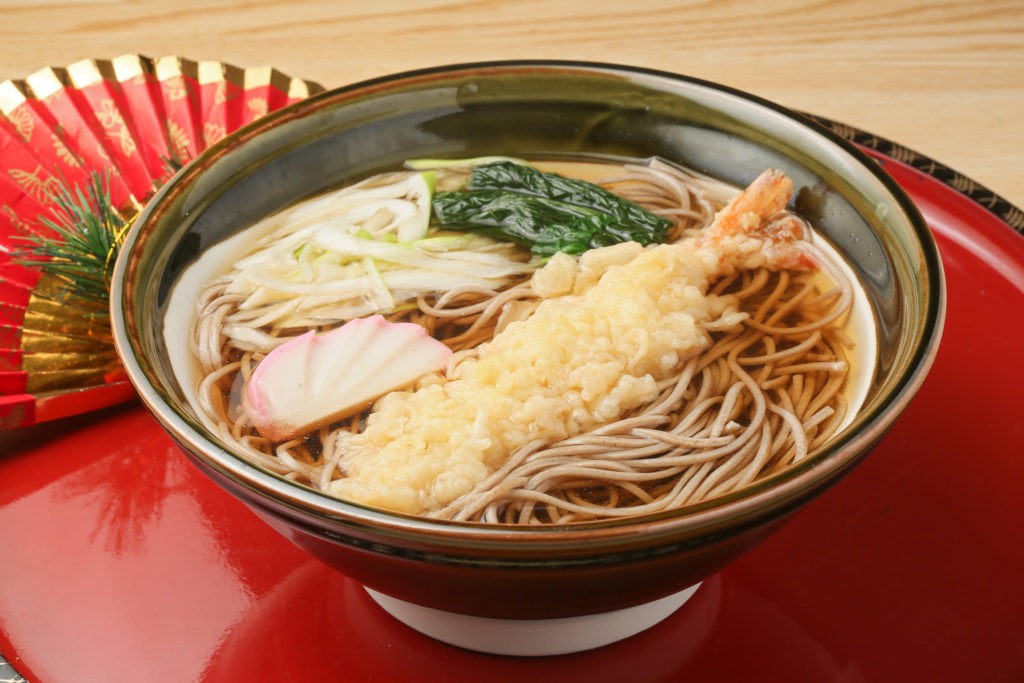
As midnight approaches in Japan, the new year is welcomed not with fireworks first, but with a bowl of quietly meaningful comfort. Families sit down to toshikoshi soba—buckwheat noodles known as “year-end noodles”—their strands intentionally long, a graceful symbol of longevity, resilience, and prosperity in the year ahead. The act itself is deeply symbolic. Eating soba on New Year’s Eve marks a gentle crossing from one year into the next, a way of letting go of hardships while carrying forward hope and continuity.
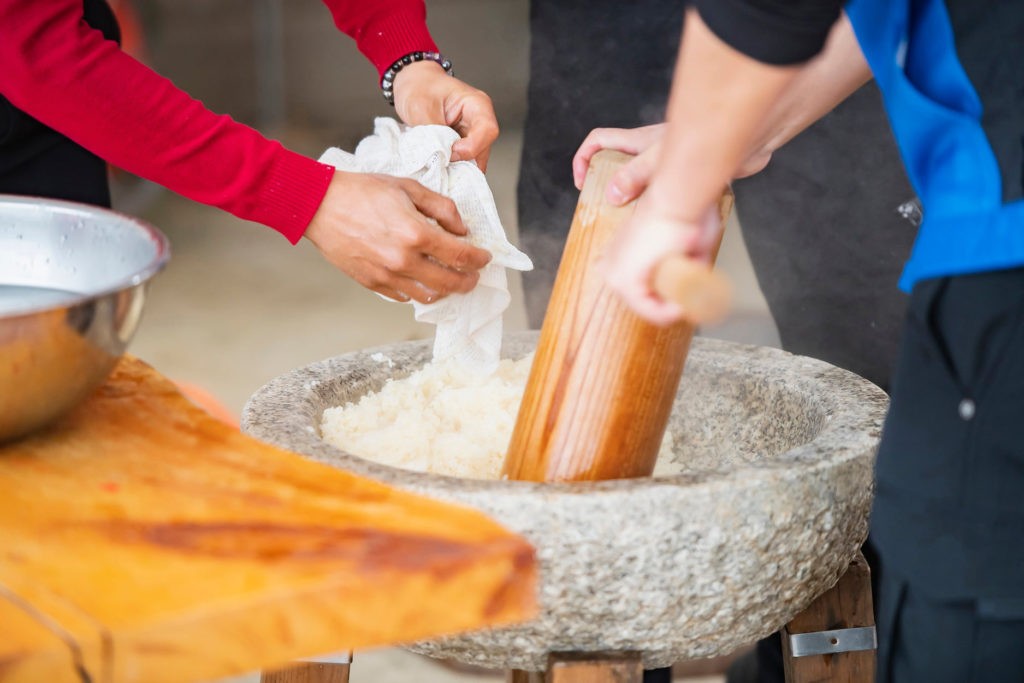
Mochitsuki is the annual tradition of pounding rice. Family and friends spend the day before New Year’s pounding mochi rice cakes. Sweet, glutinous rice is washed, soaked, steamed, and then pounded into a smooth mass. Guests take turns pinching off pieces to make into small buns that are later eaten for dessert.
12 Grapes, Spain
In Spain, the countdown to the new year is measured not just in seconds, but in grapes. As midnight approaches, eyes turn to a live broadcast from Puerta del Sol in Madrid, where crowds gather beneath the famous clock tower, waiting for its bells to strike. With each chime at midnight, one grape is eaten—twelve in total, one for every month ahead, each promising a dose of good luck. The challenge is speed. Veterans of the tradition come prepared, grapes peeled and de-seeded, ready to keep pace with the clock. Miss a beat, and you risk falling behind—and perhaps tempting fate. It’s playful, slightly chaotic, and utterly Spanish: a ritual where precision, superstition, and celebration collide in twelve hurried bites.

Marzipanschwein or Glücksschwein, Austria and Germany
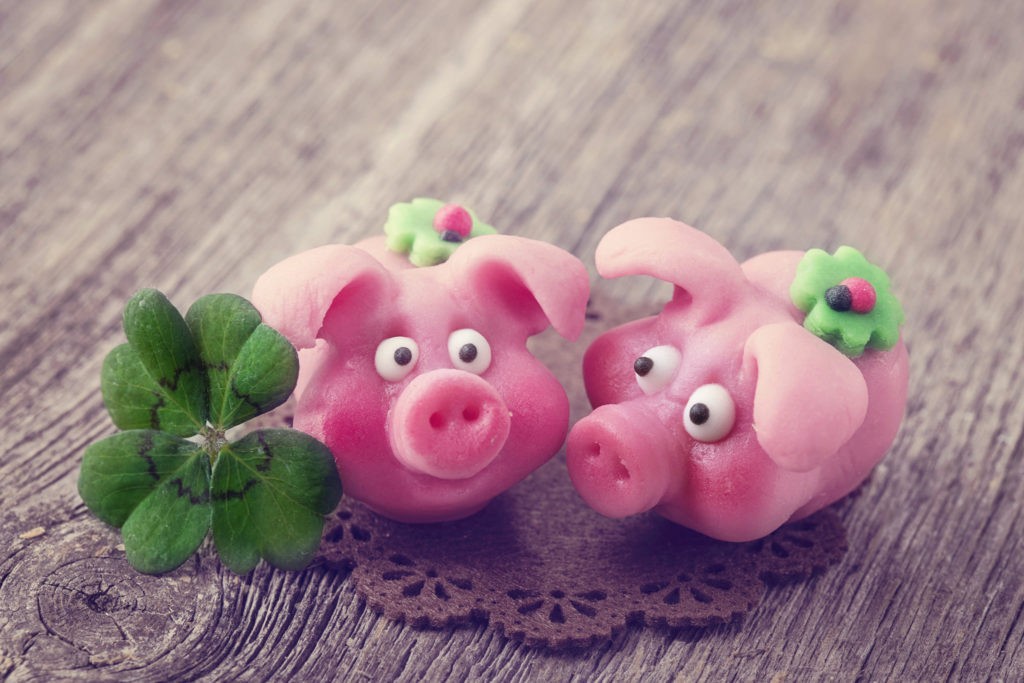
In Austria and Germany, New Year’s Eve tables often come with an unexpected guest: a pig—sweet, symbolic, and usually edible. Known as Glücksschwein or Marzipanschwein, these charming pig-shaped tokens are placed on dinner tables and exchanged with friends and family as gestures of good fortune and prosperity for the year ahead. While good luck pigs can be crafted from everything from porcelain to paper, it’s the marzipan versions that steal the show. Almond-rich, delicately sweet, and impossible to resist, they blur the line between tradition and treat. Equal parts superstition and dessert, these little pigs are a reminder that sometimes, the best way to invite luck in is to do it with sugar—and a sense of humor.
Pickled Herring, Poland, Germany & Scandinavia
In much of Northern and Eastern Europe, New Year’s Eve begins with something briny, deliberate, and steeped in symbolism. Pickled herring—made from dehydrated Atlantic herring marinated in a sharp, seasoned brine—is a non-negotiable presence on the holiday smörgåsbord, sharing table space with smoked fish, pâtés, and neatly arranged meatballs.
More than a flavour preference, the fish carries meaning. Herring has long been associated with fertility, longevity, and good fortune—exactly the kind of energy one hopes to usher into a new year. Salty, sustaining, and deeply traditional, it’s a dish that looks backward and forward at once.
In Poland, the ritual takes on a particularly careful form with Śledzie Marynowane. Whole salt herrings are soaked in water for a full 24 hours to soften and mellow them, then layered into jars with sliced onions, allspice, sugar, and white vinegar. The result is balanced and quietly complex—sharp, sweet, and aromatic—proof that patience, much like luck, is best cultivated slowly.
Lenticchie & Chiacchiere, Italy
Shortly after midnight in Italy, plates are filled with lenticchie—humble lentils carrying a legacy that stretches back to ancient Rome. Their small, round shape resembles coins, and for centuries they’ve been eaten with the hope that prosperity will multiply in the year ahead.
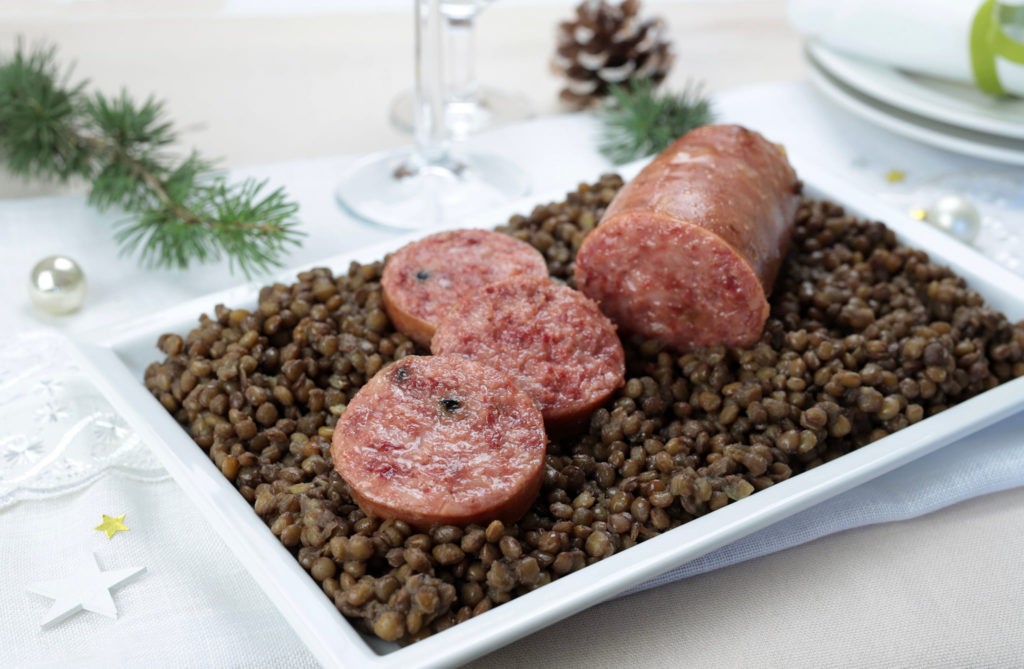
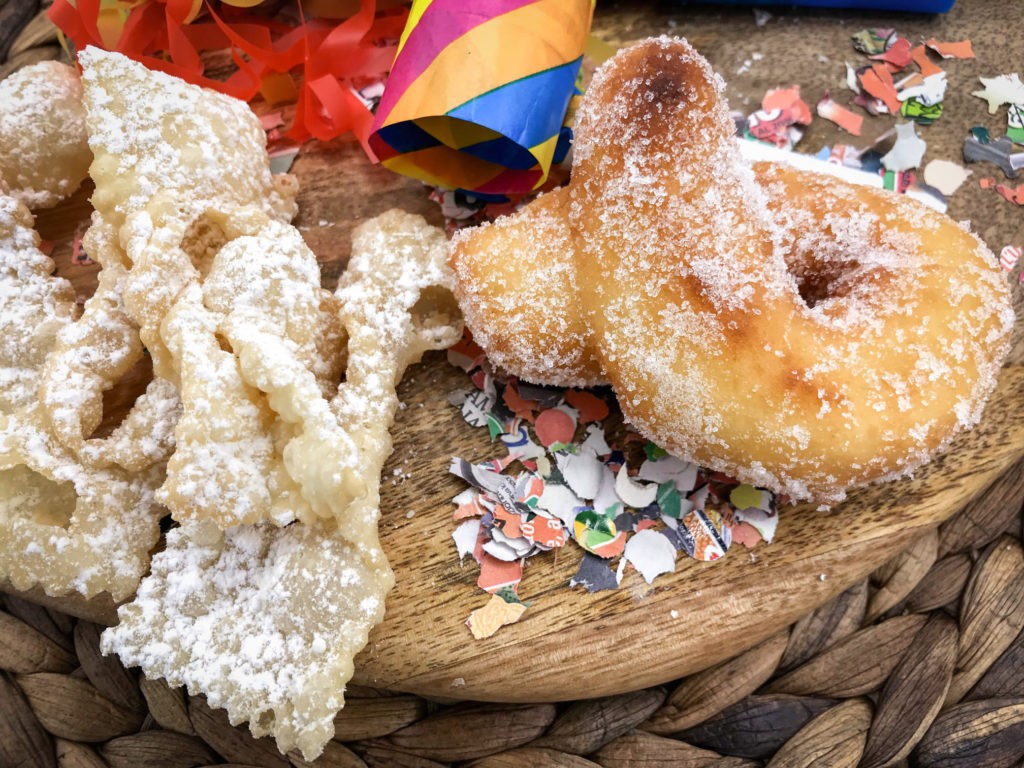
No Italian New Year’s feast feels complete without at least one lentil dish, often cooked alongside pork, another powerful symbol of luck and abundance. Together, they promise fullness in every sense—on the table and beyond it. And just when the savoury celebrations wind down, there’s room for something sweet: chiacchiere, crisp balls of fried dough, glistening with honey and dusted in powdered sugar. A joyful ending, because in Italy, good fortune should always arrive with dessert.
Kransekage, Denmark, and Norway
At midnight in Denmark and Norway, celebration quite literally rises to the occasion. Kransekake—a striking marzipan “wreath cake”—is less a single cake and more an architectural statement: a tower built from concentric rings of almond-rich cake, stacked carefully one atop the other to form a graceful pyramid.
Reserved for New Year’s Eve and life’s big milestones, the cake is often dressed for the moment—tiny flags tucked between layers, festive ornaments added for flair, and, at its center, a celebratory surprise. A bottle of wine or aquavit is sometimes placed in the hollow core, turning dessert into both centerpiece and conversation starter. Served at midnight alongside champagne, kransekake is as much about ceremony as sweetness—a Nordic tradition that understands that the first moments of the year deserve a little drama.
Fruit, Philippines
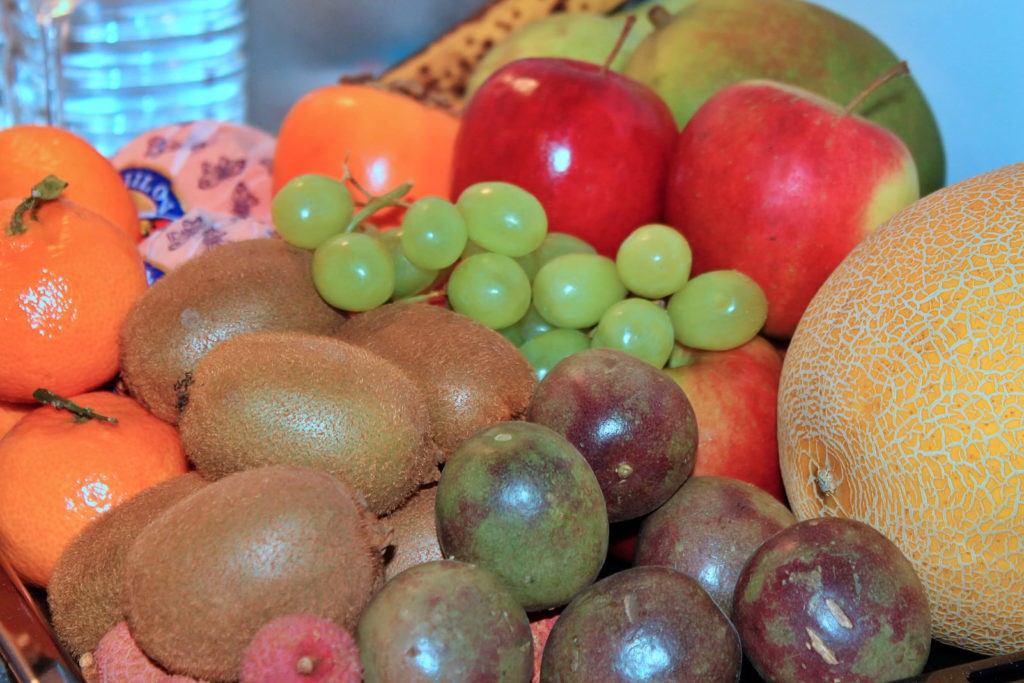
In the Philippines, New Year’s Eve is bright, abundant, and fruit-filled. Tables are laid with twelve fruits, one for each month of the coming year, arranged as a hopeful gesture toward continuity and good luck. Round fruits are especially prized—their coin-like shape symbolizing prosperity and abundance—but tradition is flexible. Mangoes, bananas, and even watermelon often find their place in the spread, adding colour and generosity to the ritual. The result is a celebration that feels joyful and forward-looking: fresh, symbolic, and rooted in the belief that how you begin the year sets the tone for everything that follows.
Vasilopita, Greece, and Cyprus
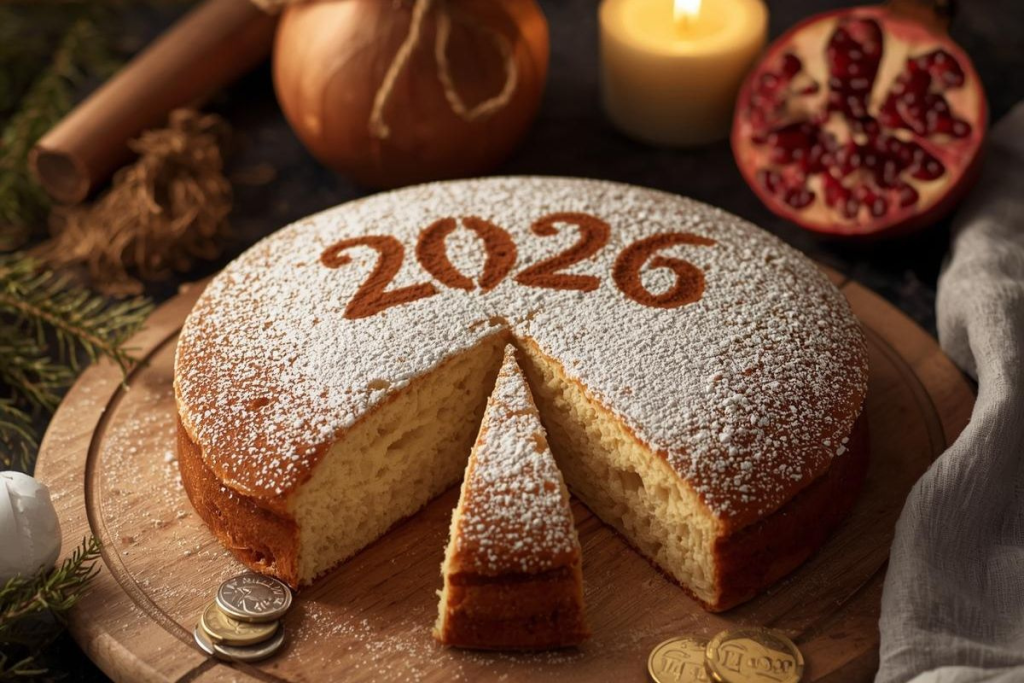
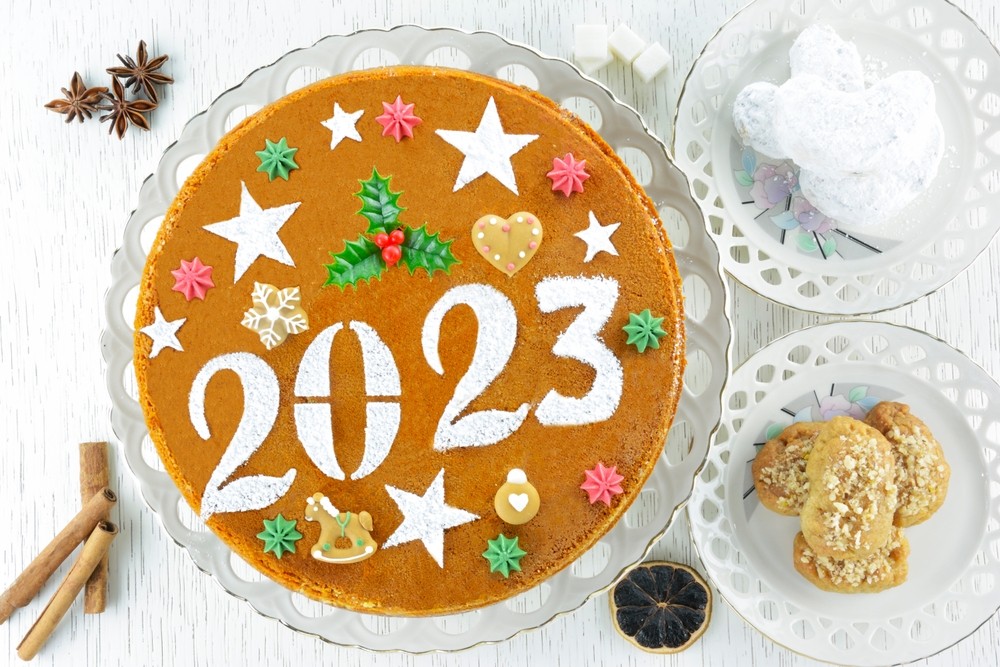
In Greece, the new year officially begins with the slicing of vasilopita, a gently spiced, bread-like cake fragrant with almonds and baked specially for January 1st. More than a dessert, it’s a ritual moment—one that gathers families around the table with equal parts anticipation and ceremony.
Hidden inside the cake is a small coin or trinket, slipped into the batter before baking. As the cake is cut and portions are served, the room holds its breath. The person who discovers the hidden charm is said to be blessed with good fortune for the year ahead. Simple, sweet, and quietly suspenseful, vasilopita turns the first meal of the year into a shared wish for luck, warmth, and good things to come.
Pomegranates, Turkey
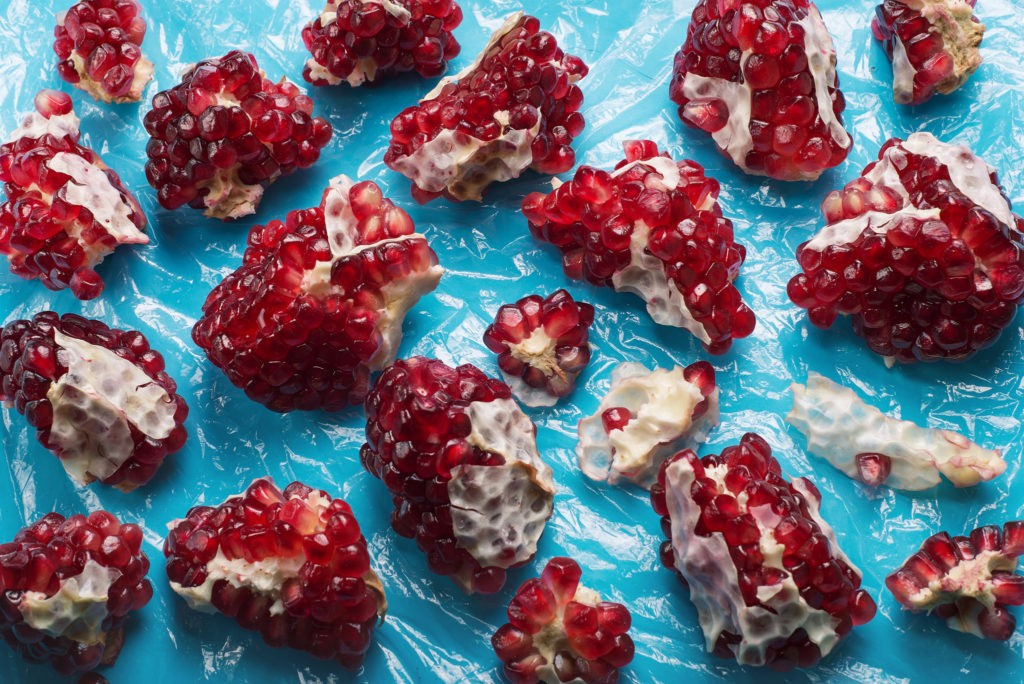
In Turkey, New Year’s Eve comes with a dramatic flourish—right at the doorstep. As the year turns, pomegranates are smashed against the entrance of homes, their ruby-red seeds scattering across the threshold in a moment that’s equal parts ritual and release. The belief is simple and hopeful: the more seeds that spill out, the greater the abundance and good fortune waiting in the year ahead. It’s a tradition rich in symbolism. Long associated with fertility, prosperity, and renewal, the pomegranate turns the act of welcoming the new year into something physical, almost cathartic. There’s no quiet superstition here—just a bold, joyful gesture that says luck, when invited properly, should arrive in spectacular fashion.
Pelmenyi, Herring & Caviar, Russia
In Russia, New Year’s Eve carries the magic usually reserved elsewhere for Christmas. As children drift off to sleep, they’re visited—at least in spirit—by Ded Moroz, Father Frost himself, often accompanied by his granddaughter Snegurochka. Together, they bring gifts and a sense of wonder that lingers well past midnight.
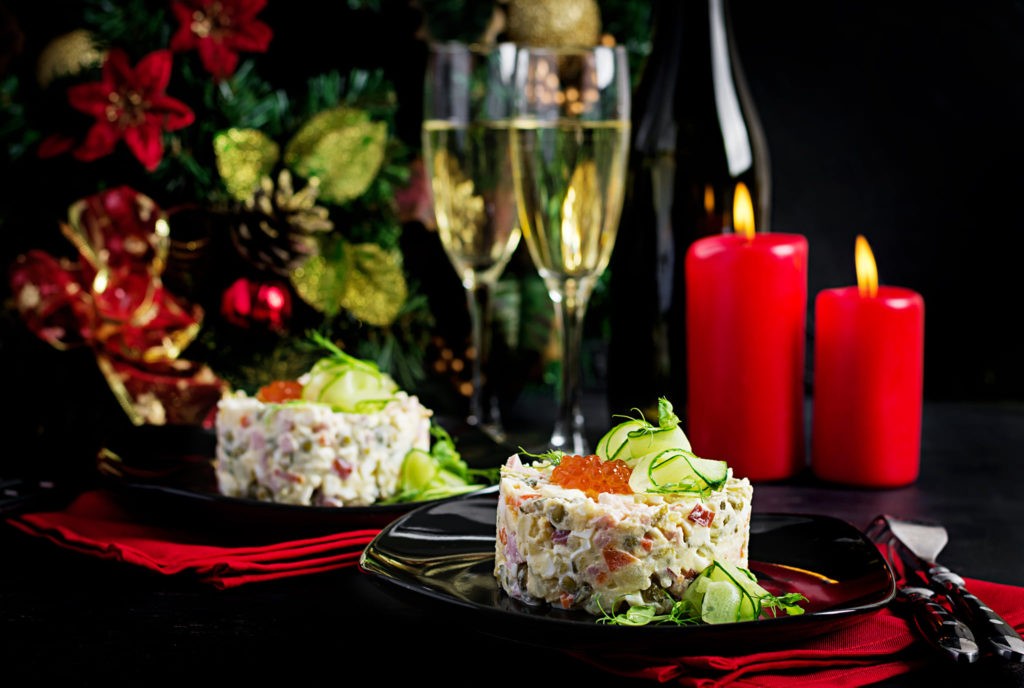
But for adults, the real rewards are waiting on the table. New Year’s in Russia is defined by a generous, no-holds-barred feast: tender pelmenyi dumplings crowned with sour cream, pickled herring, boiled potatoes, rich egg salad, spoonfuls of caviar—and, inevitably, an unapologetic flow of vodka. It’s indulgent, nostalgic, and deeply communal. Because here, the new year doesn’t just arrive—it’s toasted, savoured, and stretched long into the night.
Tarehats, Armenia
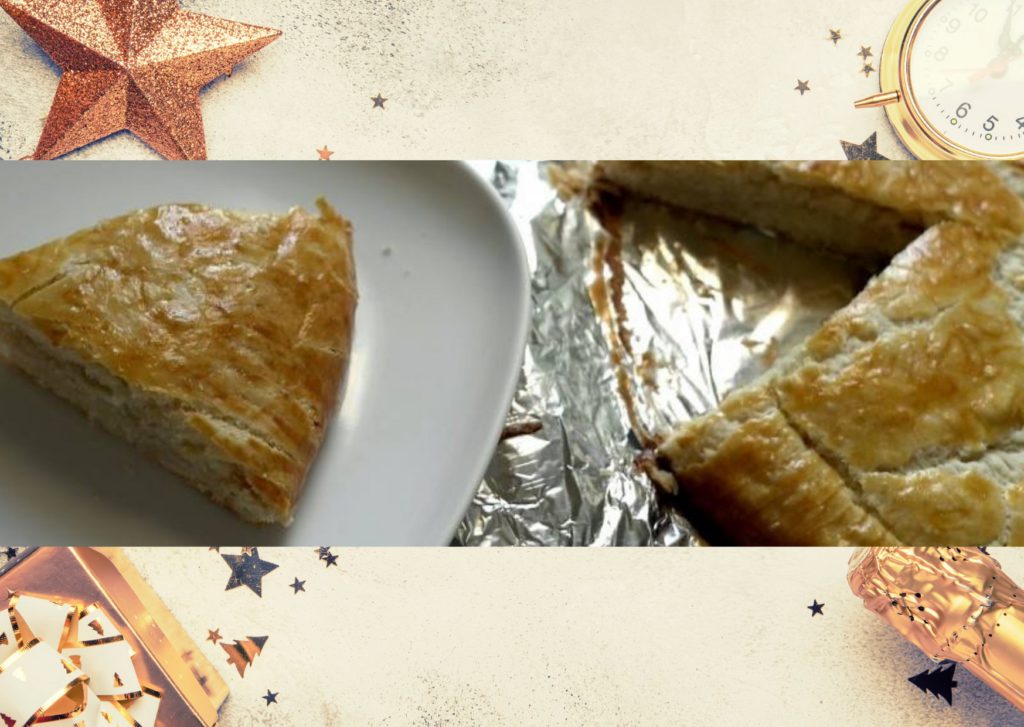
In Armenian homes, the turning of the year is marked with a ritual that’s both intimate and quietly suspenseful. At midnight, families gather around tarehats—a large, flat sweetbread baked especially for New Year’s Eve and meant to be shared slice by slice.
Hidden within the bread is a small token—a bean, a coin, or sometimes a simple button. As portions are cut and passed around, anticipation builds. Whoever discovers the trinket in their piece is believed to be blessed with good fortune in the year ahead. It’s a tradition rooted in warmth and togetherness, where luck isn’t loudly announced, but gently revealed—one bite at a time.
Snails, Oysters, Lobster & Foie Gras, France
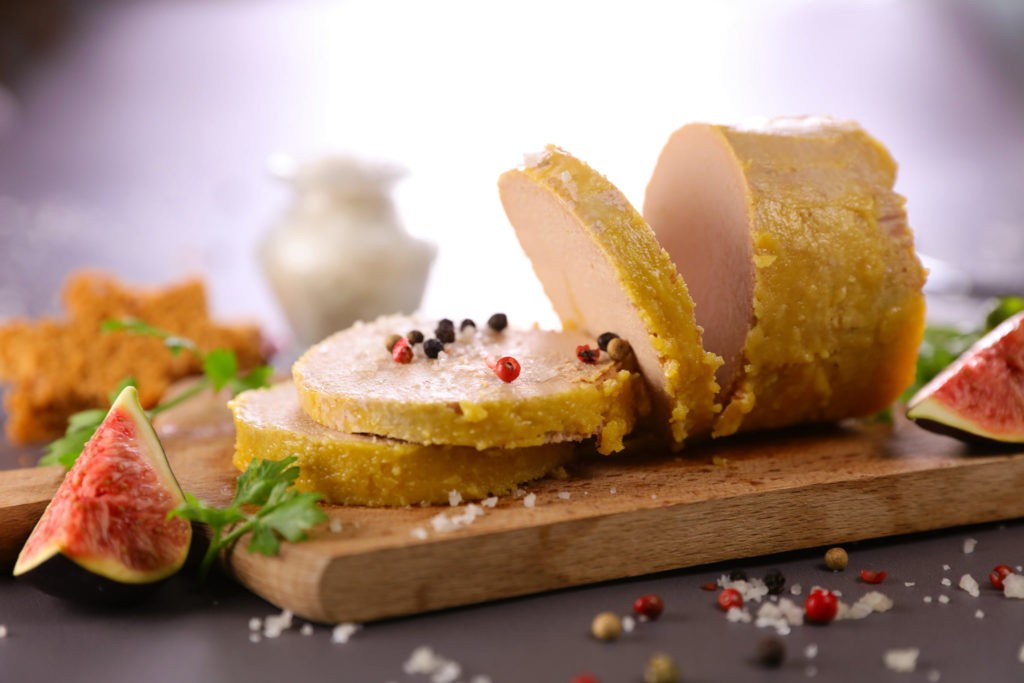
In France, New Year’s Eve is less a meal and more a performance—unhurried, indulgent, and unapologetically elegant. Le Réveillon de la Saint-Sylvestre unfolds over hours, beginning with starters that feel deliberately extravagant: Burgundy snails slicked with garlic butter, briny oysters served ice-cold, silky foie gras, and, on especially celebratory tables, lobster.
The main course leans toward the exceptional rather than the everyday. Roasted poultry—turkey, pheasant, or another bird rarely cooked at home—takes center stage, often enriched with seasonal luxuries like chestnuts or the earthy perfume of truffles. Nothing is rushed. Conversations linger, courses arrive at their own pace, and the table is steadily replenished with some of the country’s best wines. As midnight approaches, the dinner is still in full swing—a reminder that in France, welcoming the new year is best done slowly, deliciously, and with a certain reverence for the art of eating well.
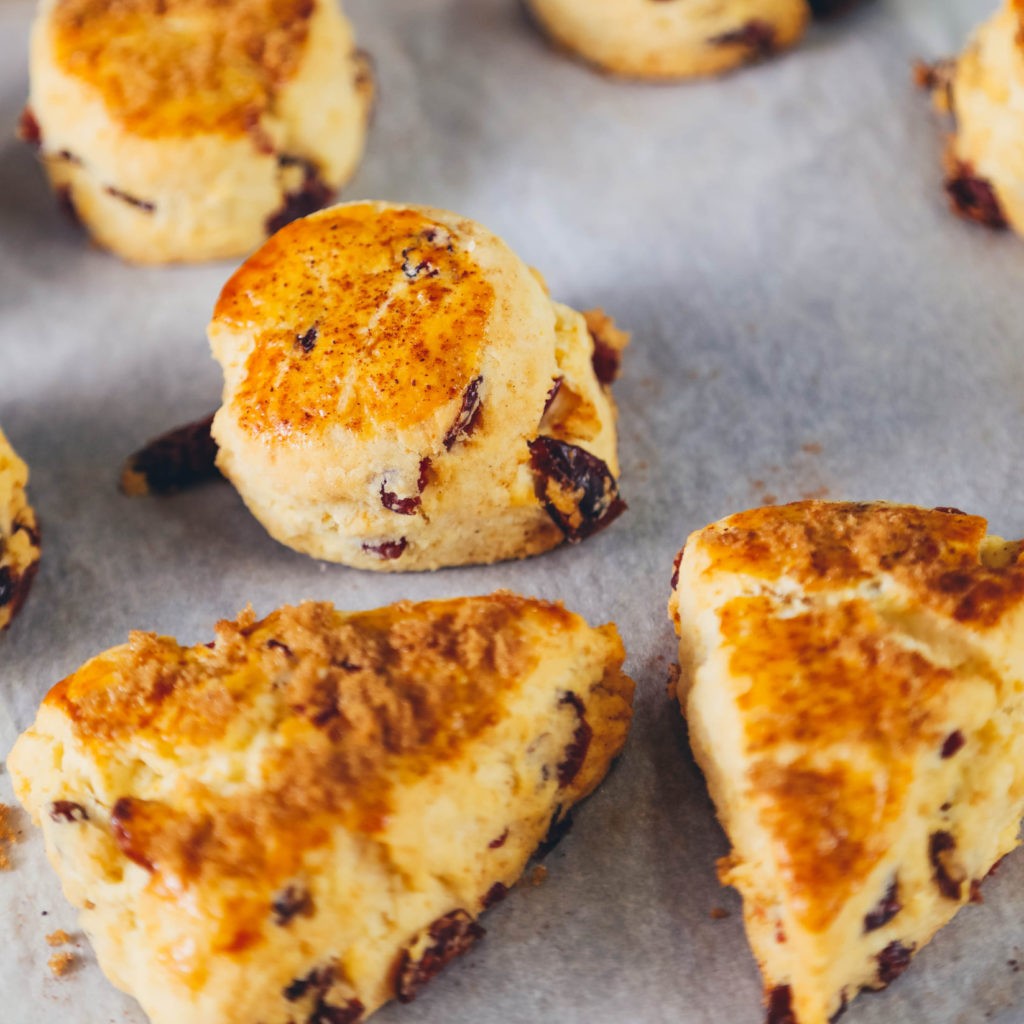
Bannocks, Scotland
In Scotland, Hogmanay is inseparable from the foods that anchor it, and bannocks sit quietly at the heart of the celebration. Made from oatmeal and shaped into a round or oval flatbread, bannocks are rustic and adaptable—sometimes closer to a cake, other times more like a scone—depending on the household and the occasion. They’re not showy, but that’s precisely the point. Bannocks reflect the spirit of Hogmanay itself: grounded, communal, and deeply tied to place. Served across New Year’s Eve and into New Year’s Day, they offer warmth and continuity, a simple, sustaining way to carry old traditions forward as the year turns.
Ice Cream & Cream, Switzerland
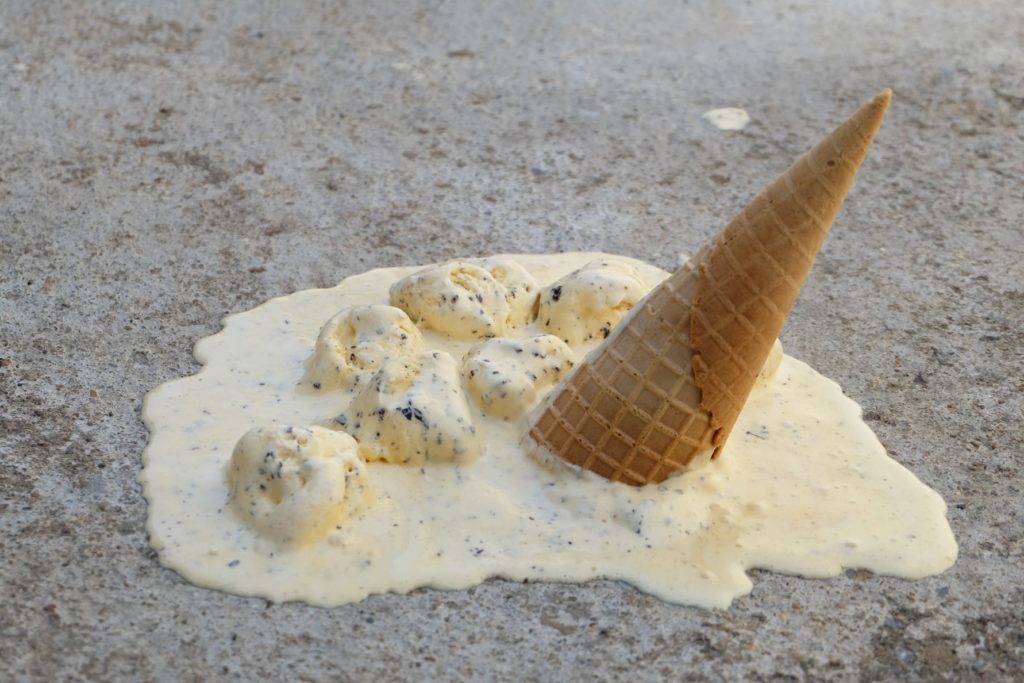
In Switzerland, New Year’s Eve luck arrives with a little intentional mess. As the year turns, people drop ice cream—or generous dollops of cream—onto the floor, a symbolic gesture meant to invite abundance and prosperity in the months ahead. It’s a charmingly literal superstition: you have to show the universe you can afford to spill something rich. Equal parts playful and hopeful, the tradition turns waste into wish-making, proving that sometimes the best way to welcome plenty is to let a little bit go.
Hoppin John, Pork & Sauerkraut and Pretzels, USA
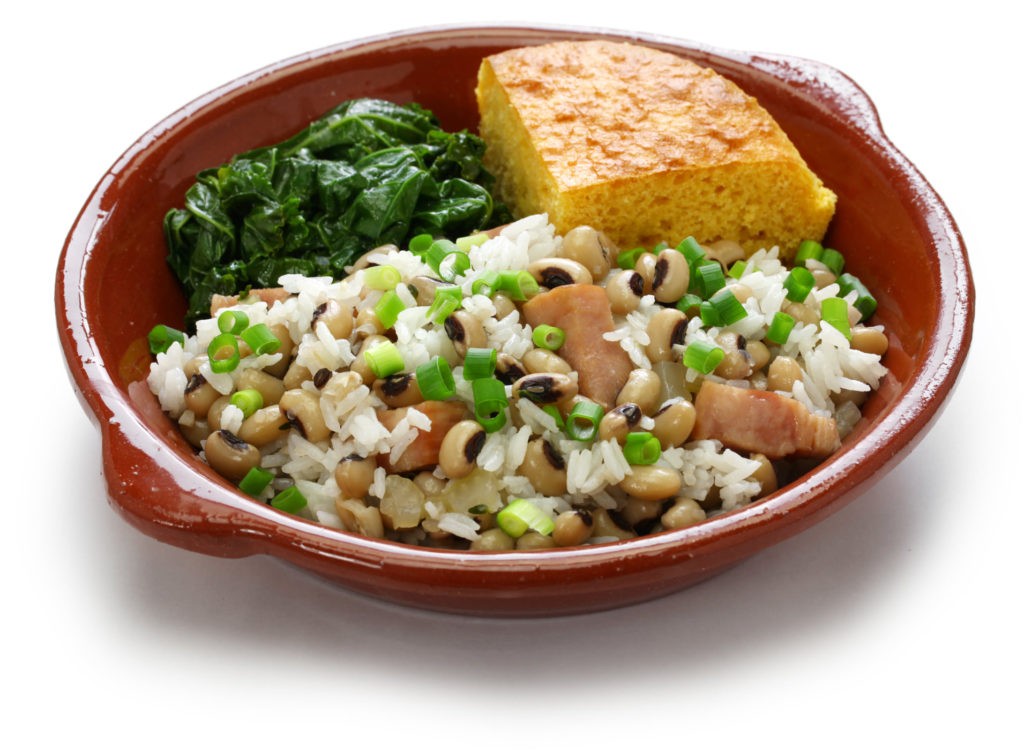
In the American South, New Year’s Eve tastes like comfort with a side of conviction. Hoppin’ John—a soulful mix of black-eyed peas, rice, and pork—anchors the table, usually flanked by collard greens and a wedge of crumbly cornbread. It’s hearty, humble, and deeply symbolic. Each element carries a wish: peas for prosperity, greens for wealth, cornbread for golden abundance. Eaten as the calendar turns, the dish is believed to beckon good luck for the year ahead. More than superstition, it’s a ritual of reassurance—proof that the new year, at least at dinner, begins warm, generous, and well-fed.
In parts of the American Midwest and Northeast—particularly Pennsylvania and Ohio—New Year’s Eve dinners are shaped by old Germanic traditions that travelled across the Atlantic and settled in quietly enduring ways. Pork and sauerkraut take pride of place on the table, a pairing believed to invite good luck, steady progress, and prosperity in the year ahead. The symbolism is thoughtful rather than flashy: pigs root forward (never backward), and fermented cabbage represents preservation and plenty through winter.
The rituals don’t end with dinner. When morning arrives, sweet pretzels often appear at New Year’s breakfast or brunch—soft, lightly sugared, and unmistakably nostalgic. Eaten with intention, they serve as a gentle continuation of the wish-making that began the night before. In these traditions, luck isn’t rushed in at midnight; it’s welcomed slowly, one familiar bite at a time.
Though there’s no end to the wonderfully varied ways the world welcomes a new year, these traditions all circle back to the same quiet wish: prosperity, happiness, and good fortune in the months ahead.
And that’s our wish for you too. May the year to come be kinder, brighter, and filled with moments worth celebrating—one hopeful beginning at a time.
This story and the gallery have been updated with new information since its original publishes date.
Photos: Shutterstock
For latest travel news and updates, food and drink journeys, restaurant features, and more, like us on Facebook or follow us on Instagram. Read more on Travel and Food Network
Trending on TFN
Explore Utah’s Mighty 5® and What Lies in Between
Five Epic U.S. National Parks To Visit This Year

A homeschooled chef even before she joined Catering College in Bombay, Christine’s gastronomic journey started with mother and grandmother. Polished with a degree and 10 years of experience in the Hospitality industry, Christine’s love of food, drink and everything gastronomic has been sharpened and honed with travel across the world. Today, she shares the wealth of her foodie experience and adventures across the world with Travel and Food Network, so look forward to much more from Chrsitine!